MEXICO CITY, Mexico (AP) — Officials said a train accident in southern Mexico injured at least 15 people and halted traffic along a rail line connecting the Pacific Ocean with the Gulf of Mexico.
The Interoceanic Train linking the states of Oaxaca and Veracruz derailed as it passed a curve near the town of Nizanda. In a message on X Sunday, Oaxaca state Gov. Salomon Jara said several government agencies had reached the site of the accident to assist the injured.
Officials said that 241 passengers and nine crew members were on the train when the accident occurred.
The Interoceanic Train was inaugurated in 2023 by then President Andres Manuel Lopez Obrador. The rail service is part of a broader push to boost train travel in southern Mexico, and develop infrastructure along the isthmus of Tehuantepec, a narrow stretch of land between the Pacific Ocean and the Gulf of Mexico.
The Mexican government plans to turn the isthmus into a strategic corridor for international trade, with ports and rail lines that can connect the Atlantic and Pacific Oceans. The Interoceanic train currently runs from the port of Salina Cruz on the Pacific Ocean to Coatzacoalcos, covering a distance of approximately 180 miles (290 kilometers) .
latest_posts
- 1
 Discovery of ancient pleasure boat reveals Egypt's maritime history
 - 2Step by step instructions to Pick the Right Dental specialist for Your Teeth Substitution
- 3'Stranger Things' Season 5: What's going on with Will Byers? That shocking Volume 1 plot twist, explained.
- 4Bonk.fun’s April Fools Joke Targets Israel, Sparks Debate
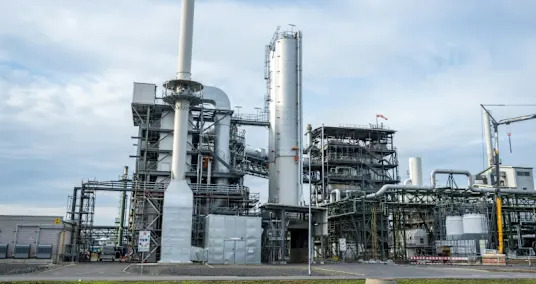
- 5Germany unveils rescue plan for struggling chemical sector


- Pleasant Cycle Courses All over the Planet
- Barry Manilow to have surgery for early-stage lung cancer and postpones January concerts
- Could it be said that you are As yet Utilizing Old Tires? at These 6 Tire Brands
- Vote In favor of Your Favored Menial helper Administration
- Doulas play essential roles in reproductive health care – and more states are beginning to recognize it
- ‘This year nearly broke me as a scientist’ – US researchers reflect on how 2025’s science cuts have changed their lives
- Israel reports killing another senior Iranian oil official
- All the ways Marjorie Taylor Greene has shifted her approach lately — and why Trump is 'surprised at her'
- Protest inspired by 'Gen Z' movement draws few young people in Mexico and many government critics