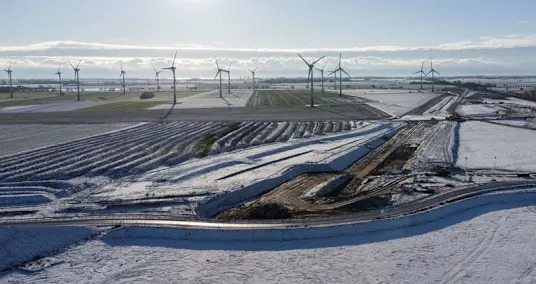
The first element of the Fehmarn Belt Tunnel between Germany and Denmark could be lowered off the Danish island of Lolland as early as this spring, Danish state-owned construction company Sund & Bælt said on Thursday.
A special vessel that is to sink the tunnel elements has been approved by the Danish Maritime Authority, the company said.
The ship's task was "complex, so numerous tests were necessary," deputy contract director Lasse Vester said in the statement. "Now we have received approval for the ship and can start lowering it."
The construction consortium Femern Link Contractors (FLC) can now begin the necessary preparations, it said.
In January, Sund & Bælt said the opening of the 18-kilometre tunnel was likely to be delayed until 2031, partly because of missing permits. Once the first tunnel elements have been sunk, a new timetable will be drawn up, it had now said.
Huge infrastructure project
According to Sund & Bælt, the Fehmarnbelt Tunnel for cars and trains is one of Europe's largest infrastructure projects. It will eventually connect the German island of Fehmarn with the Danish island of Lolland.
On the German side, a hinterland connection is being built that also includes the Fehmarn Sound Tunnel between the island and the German mainland.
latest_posts
- 1
 Jasmine Crockett in, Colin Allred out: A major shakeup for Democrats in their quest to finally win a Senate seat in Texas
 - 2Strength training is crucial after menopause. How to make the most of your workouts
- 3IDF strikes Shiraz petrochemical site, releases footage of attacks on Iranian air defenses
- 4Picking the Right Doctor prescribed Medication Inclusion in Senior Protection.
- 5CPA Canada appoints eight directors as new governance model takes effect





- Indonesian Mega-Farm Drives Surge in Deforestation
- Illustrations Gained from a Crosscountry Excursion
- 'The Secret Lives of Mormon Wives' Season 3 premieres tomorrow. Here's what you need to know to catch up.
- In the background: Visiting Notable Film Areas All over the Planet
- The race is on to turn your body into a GLP-1 factory
- Paratroopers kill terrorist who threw rocks at Israeli citizens, soldiers near Ofra in West Bank
- Eleven arrested over mass shooting in South Africa tavern
- IDF continues counterterrorism operations in Gaza Strip, including destroying terror tunnels
- Easy to understand Tech: Cell phones for Old in 2024